The price could go even higher. The EPA wants to set tougher guidelines for municipalities to follow in removing what are known as forever chemical pollutants from drinking water and wastewater.
Forever chemicals are a category of chemicals used since the 1940s to repel oil and water and resist heat. They’re used in things like plastic bags, clothing and nonstick cookware. According to the EPA, forever chemicals have been linked to cancer, reproductive issues and other health effects.
Tom Stanley, an agricultural and farm business management extension agent from Virginia Tech, said forever chemicals end up in wastewater systems through runoff from landfills.
Wastewater that contains forever chemicals hurts the environment, according to the EPA.
Combs, the MSA director, said the changes, if approved by Congress, could potentially delay and increase the cost of upgrading the water and wastewater plants.
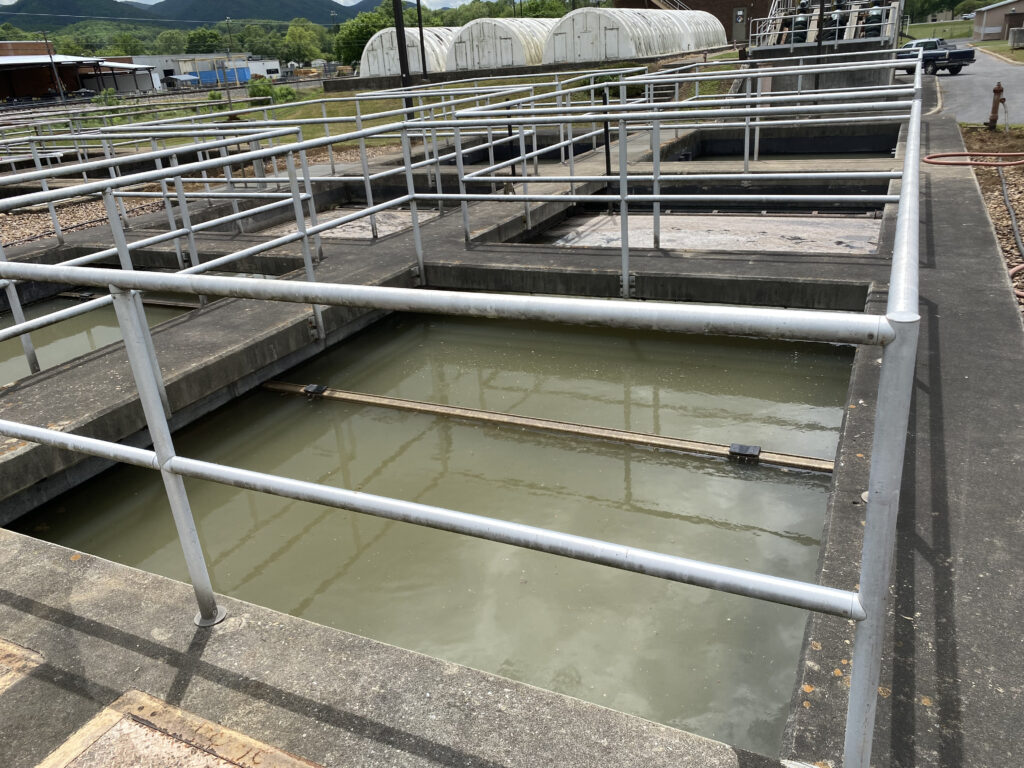
In Virginia, state agencies test for pollution in water in some but not all rivers and streams.
John Pancake, co-chair of the Rockbridge Conservation Watershed, said groups like his and universities fill the gap and help state agencies test rivers and streams for forever chemicals.
“There are a lot of ways that they can get into the environment,” he said. “Once it’s in there, as you might expect, forever chemicals don’t degrade very fast, and they’re there for a long time.”
Stanley said he does not know how forever chemicals will be addressed. But he said that Virginia has been on the forefront of water quality protection practices since the 1980s.
“It’s the proverbial turning the ship around,” Stanley said. “It’s (forever chemicals) a very large ship, and you’re just not going to turn it around on a dime. It takes some time.”
If the federal regulations are imposed, local water bills will increase, said Combs, the MSA director.
The bills are going to stay high, no matter what. It will get worse if the EPA guidelines go into effect and the local governments can’t find money to pay for even more upgrades that will be needed to comply.
Lexington City Council Member Chuck Smith said he’s worried about the economic impact of constantly increasing water and sewage bills.
“It might give businesses pause whether or not to come here.”